Poetics and Plant Medicine
A four-part public reading and conversation series in spring 2026 bringing together poets, experimental prose writers, artists, scholars, journalists, and editors working on aesthetics and psychedelic culture, co-curated by Stephanie Young and Ramsey McGlazer.
The series opens on January 15 with States of Euphoria and continues on March 12 with Future Residues, April 1 with Commodified Journeys, and concludes on April 24 with Healing Terroirs.
All events will be held at Bathers Library in Oakland, CA at 7 pm.
-
Thursday, January 15, 7pm
States of Euphoria features hannah baer, Michelle Lhooq, and Arun Saldanha in conversation about rave culture and the politics of collective pleasure. Long imagined as a site of utopian possibility, the dance floor offers a fleeting glimpse of freedom and psychedelic transcendence—if only for the night. As these three writers show, the liberatory promises of the rave sit uneasily alongside its entanglements with capitalism, colonialism, and state violence. The party has always been part of the world it seeks to escape. What forms of political desire emerge, or falter, when the rave confronts the conditions it inhabits? As baer writes: “If we agree that we do not like the way things are, we must ask over and over again, are we subverting them?”
-
Thursday, March 12, 7 pm
How do shifts in perception change the meaning of inherited histories? Future Residues convenes Brandon Brown, Sofía Córdova, and Darieck Scott to read from and discuss work that moves across temporal registers to imagine new forms of relation and collective survival. If the future is no longer imagined as coming after a clean break with the past, what kinds of worlds might be made from what remains? Drawing on popular culture, performance, and speculative genres, these artists and writers approach the damages of the past as sites of transformation rather than closure. In their work, living on becomes an aesthetic and ethical practice that allows for new kinds of knowledge and affiliation, offering glimpses of what plant medicine can make thinkable.
-
Wednesday, April 1, 7pm
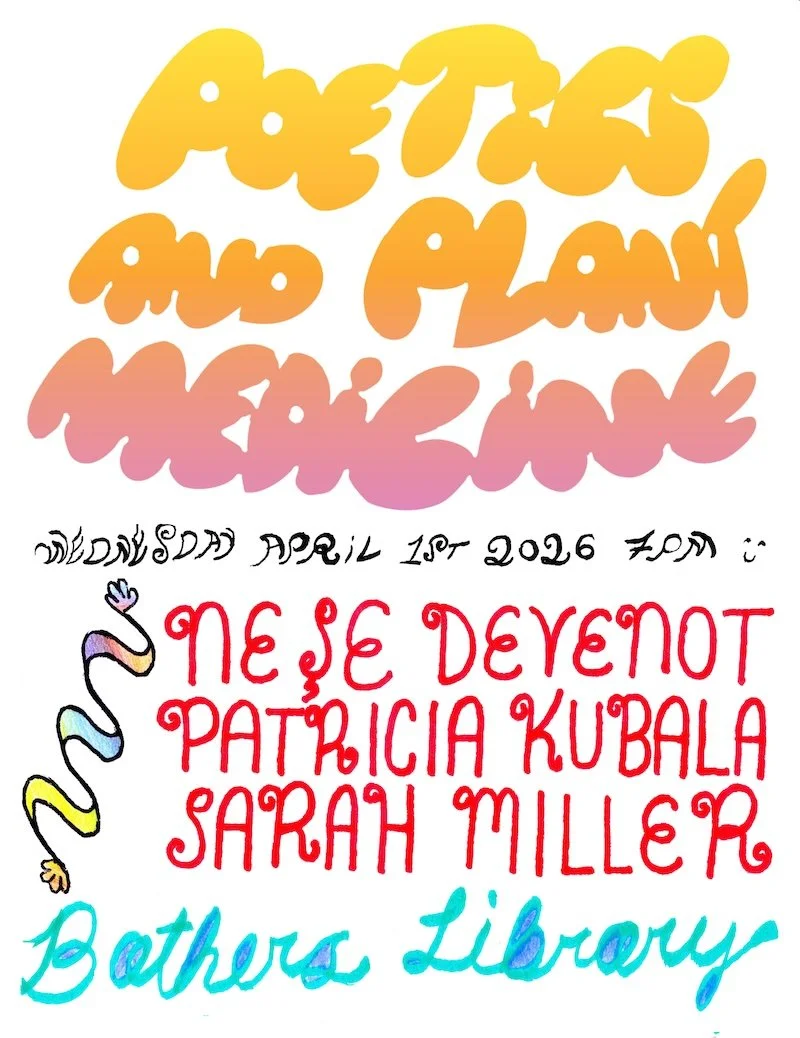
Commodified Journeys brings together Neşe Devenot, Patricia Kubala, and Sarah Miller for a conversation about the cultural and economic infrastructures shaping contemporary psychedelic tourism and healing economies. As retreat centers, certification programs, and therapeutic markets proliferate, experiences once framed as sacred, illicit, or countercultural increasingly appear as forms of authorized expertise and exchange. At the same time, the search for healing, insight, and connection persists. What tensions emerge when practices oriented toward transformation encounter the structures of late capitalism, especially when travelers seek them out in order to metabolize the grief, ecological loss, and precarity produced by those very structures?
-
Friday, April 24, 7 pm
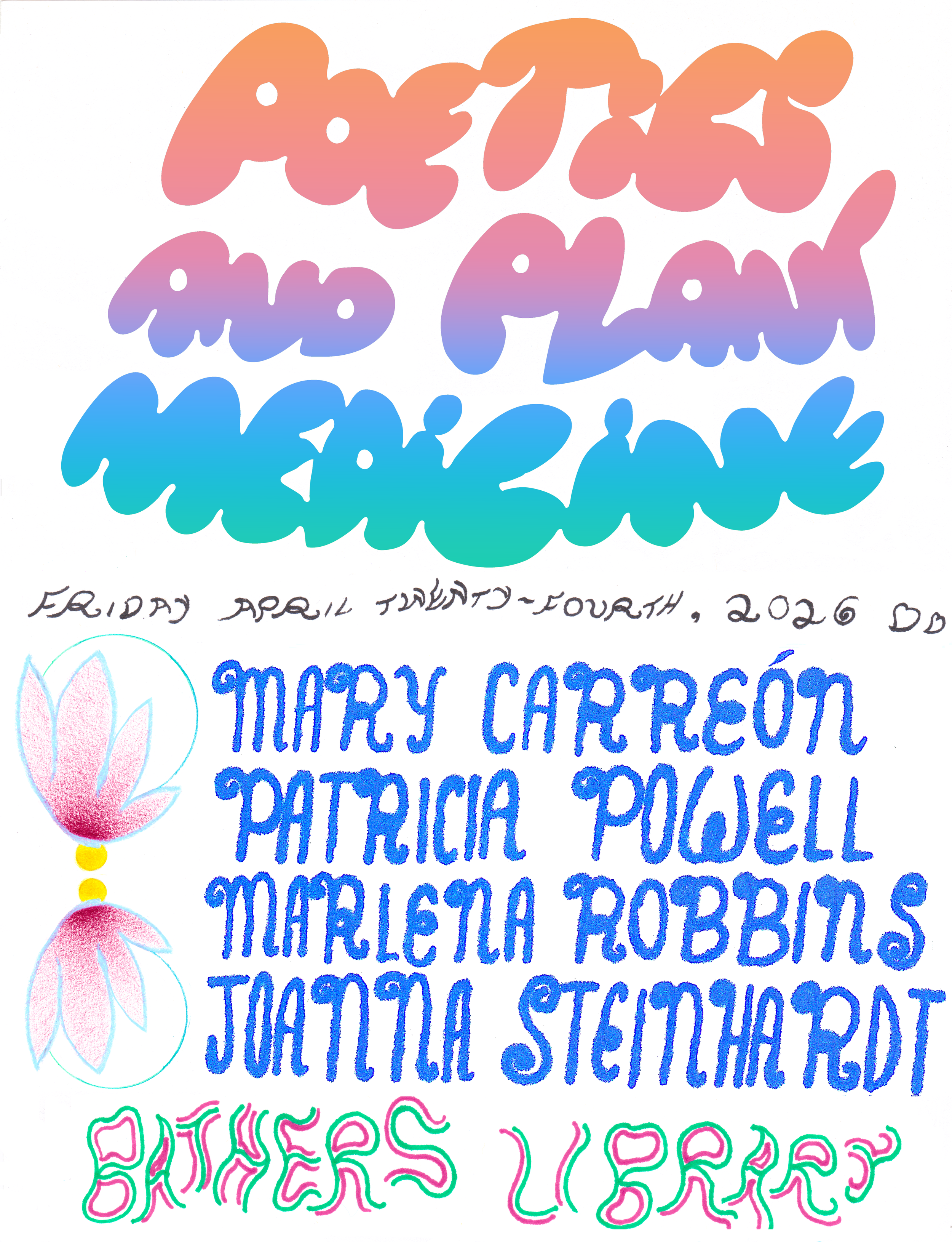
Healing Terroirs turns to healing practices rooted in place. Drawing on Indigenous and Black traditions, Mary Carreón, Patricia Powell, Marlena Robbins, and Joanna Steinhardt consider the interdependence of plants, humans, spirits, and other presences. Their work attends to the conditions under which healing becomes possible: through practices that sustain (and complicate) relations across generations, diasporic formations, encounters with more-than-human beings, and frameworks for ethical engagement.
As plant medicine circulates through clinical and commercial contexts, what happens to the practices that transmit spiritual knowledge? How are these relations translated, protected, or reconfigured across different worlds, and what forms of care and protection are required to maintain or reimagine them?
-
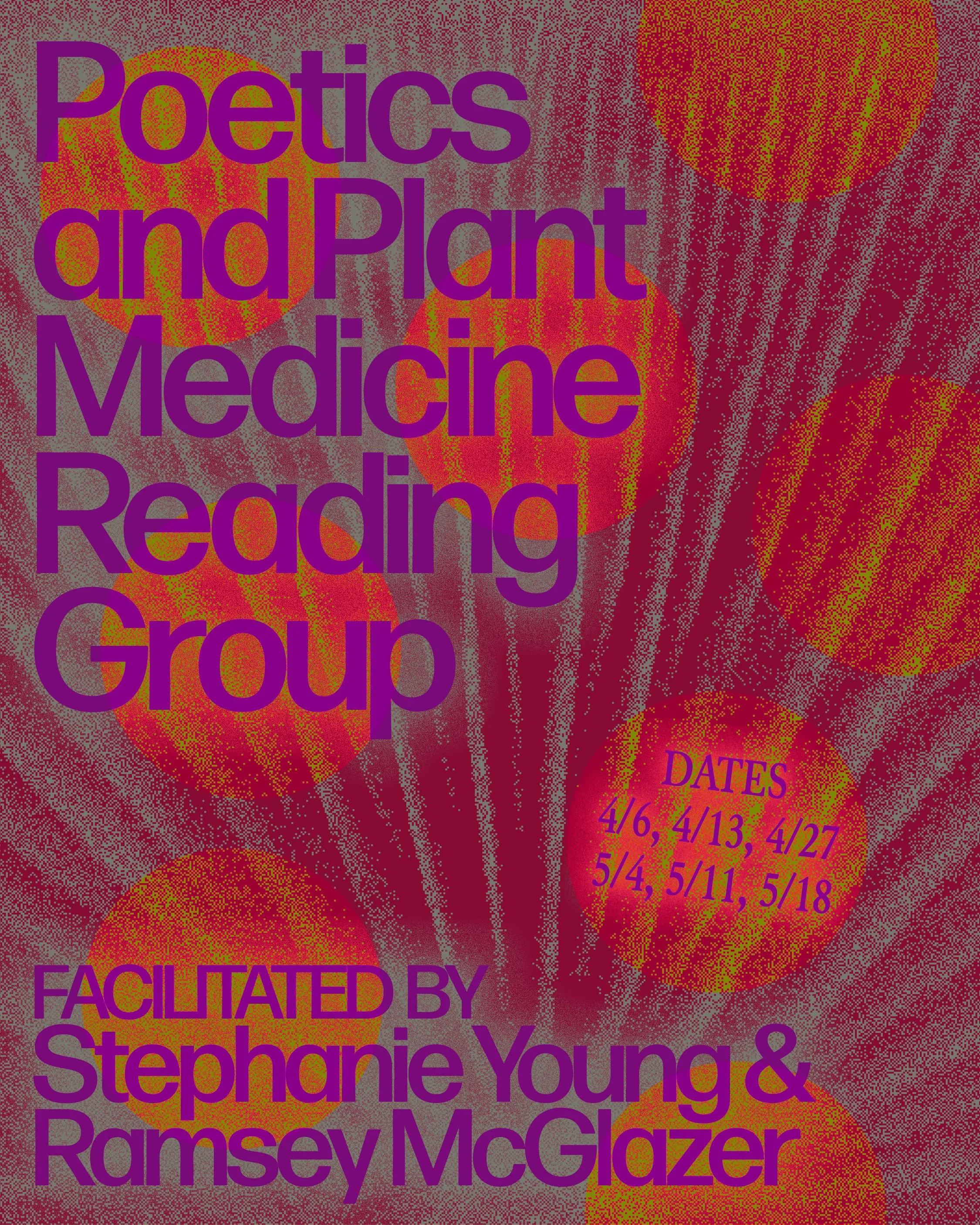
Mondays at 7 pm, IRL in Oakland: 4/6, 4/13, 4/27, 5/4, 5/11, and 5/18.
We’ll read, view, and discuss poetry, essays, scholarship, video, and experimental works by writers and artists in the series that explore plant medicines, altered states, and the cultural history of psychedelics alongside questions of aesthetics, healing, ecology, and political economy.
Poetics and Plant Medicine begins with the observation that, to date, a handful of nonfiction books have come to define the psychedelic “renaissance” in a way that no work of poetry or literary fiction has. Books like Michael Pollan’s How to Change Your Mind have captured the public imagination and informed three decades of advocacy: a resurgence of clinical trials, philanthropic investments, infusions of venture capital, and the return of psychedelic study to the very universities where their escape in the 1960s contributed to their criminalization. Or so one story goes.
This literature of advocacy has produced, in turn, a rich array of critical and alternative accounts that take up colonial histories and the racialized War on Drugs; foreground Indigenous sovereignty; and assess not only the therapeutic potential of psychedelics but also the biotech and pharmaceutical interests that shape who can access them, where, and how. If the episteme of advocacy has conditioned our understanding of these molecules as medicine, their current status reflects something crucial about the status of therapy and spirituality in the United States today.
At the same time, contemporary writers and artists continue to metabolize psychedelic experience in forms that exceed familiar narratives. Their works approach the edge of what can be represented in language as they consider the relation between expanded consciousness, history, place, and collective life.
In a series of four conversations, we’ll gather with writers across disciplines to discuss the liberatory potential, commodification, and state entanglements of rave culture; psychedelic tourism, climate grief, and the wellness bourgeoisie; healing traditions and their terroirs; and what becomes thinkable in psychedelic culture beyond advocacy.
-
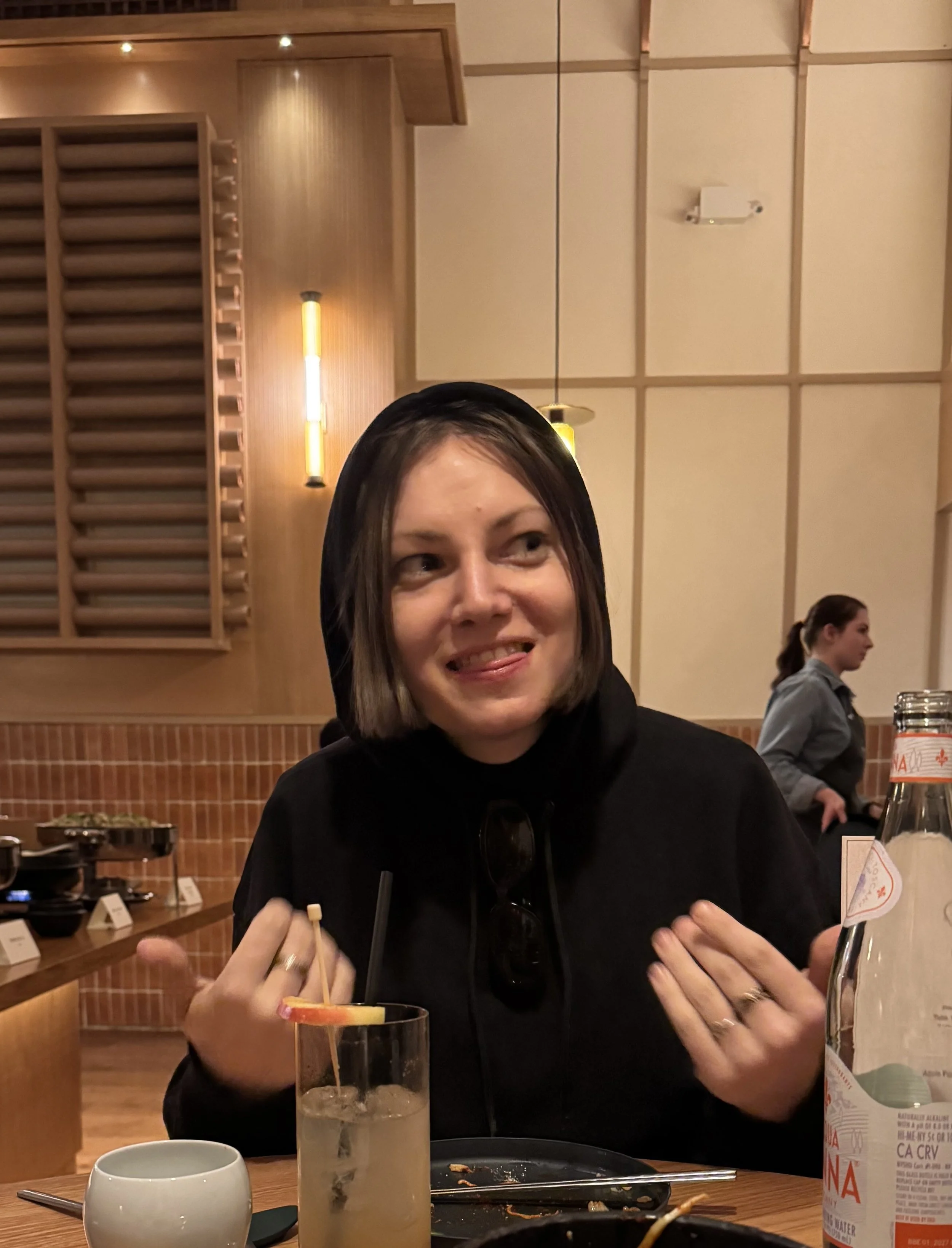
hannah baer
States of Euphoria | January 15
hannah baer is a clinical psychologist based in New York. She is the author of the nonfiction book, trans girl suicide museum. Her second book, The Life of the Party, is forthcoming in 2027. She is a psychoanalytic candidate and a contributing editor to Parapraxis.
-
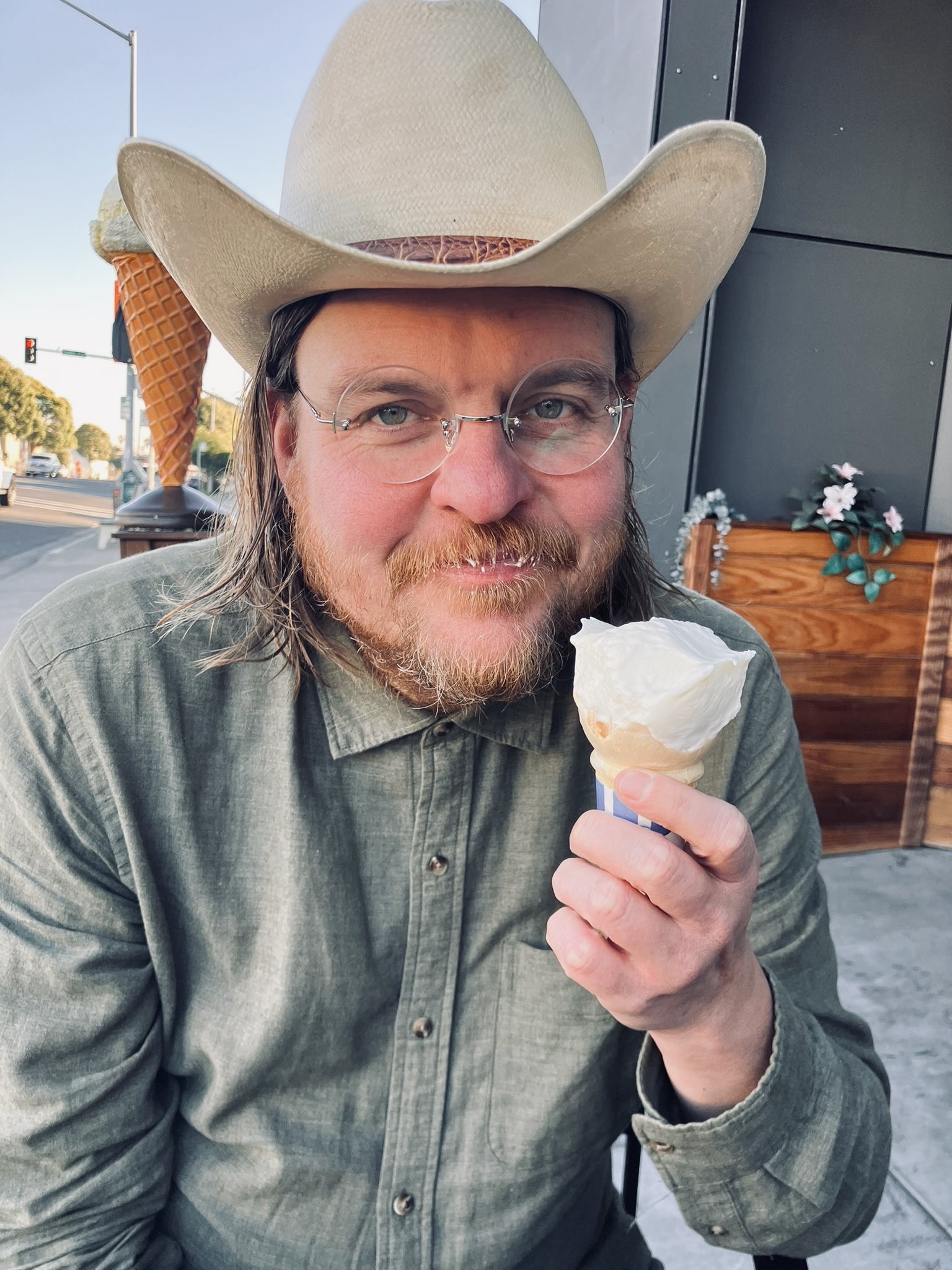
Brandon Brown
Future Residues | March 12
Brandon Brown is the author of several books including, most recently, Work (Atelos) and The Four Seasons (Wonder). In 2024, Free Poetry published his translation of the extant works of the troubadour Raimbaut d'Aurenga, Joy Is My Hotel. Brown's writing on art and culture has appeared in Art in America, Frieze, The Believer, Fanzine among other venues. He has been the recipient of the Beauchamp Prize for Critical Art Writing and a National Endowment of the Arts fellowship in poetry. In 2026, Roof will publish a new book of poetry which contextualizes plant medicine and pop music as interpenetrating catalysts to meditation, grief and recovery. He is a co-editor at Krupskaya Books and occasionally publishes the zine Panda's Friend. He lives in Richmond, CA.
-
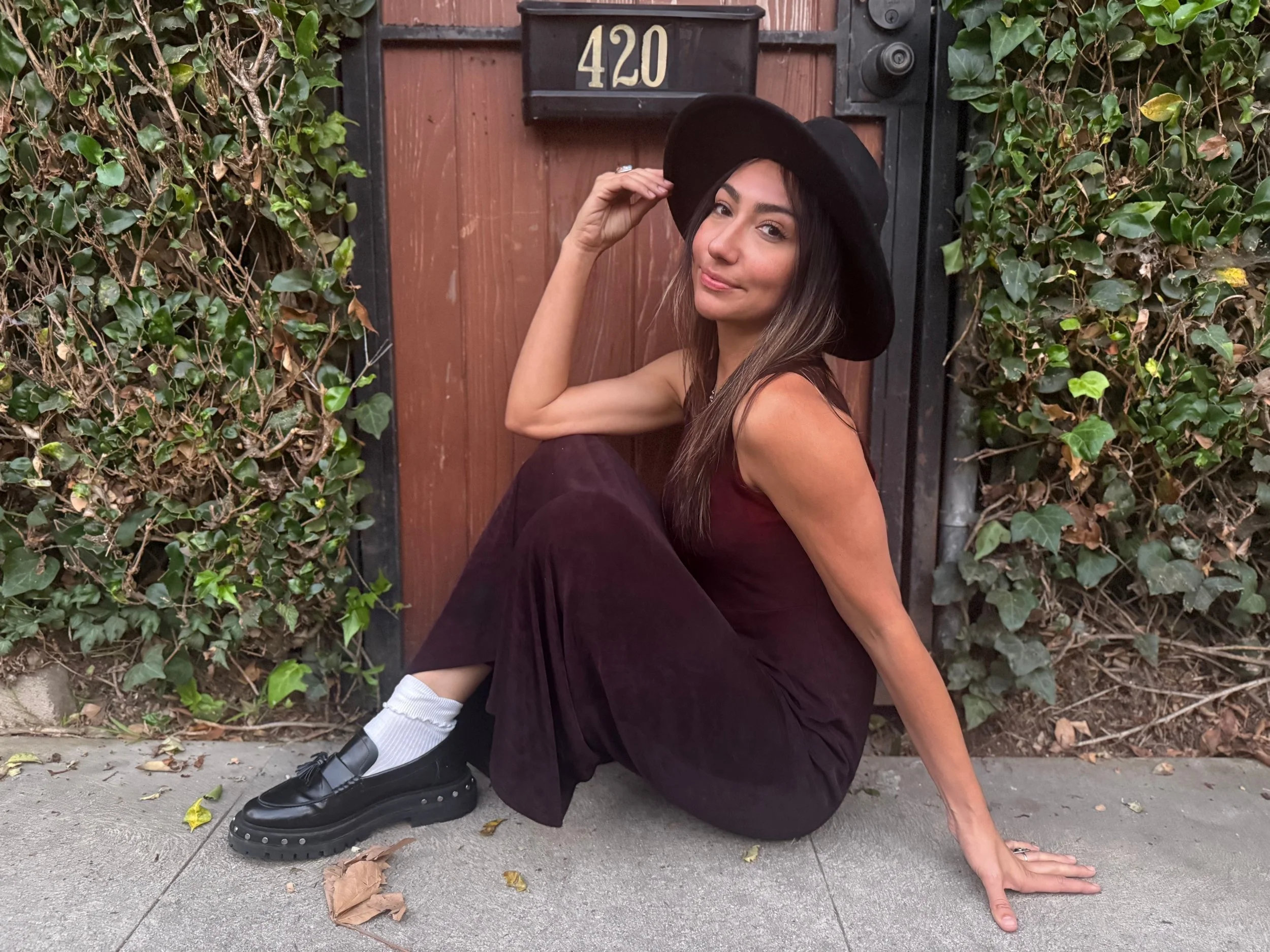
Mary Carreón
Healing Terroirs | April 24
Mary Carreón is a journalist and editor who spends a lot of time at the crossroads of art, music, drugs, and the systems that shape how we live with all three: drug policy, the environment, and culture more broadly. Currently, she is the Editor-in-Chief at DoubleBlind, where she empowers writers to craft stories that spark meaningful dialogue and encourage readers to think and engage with diverse issues.
Her work has appeared in Billboard, KCRW/NPR, Insider, The LAnd Magazine, High Times, OC Weekly, LA Weekly, and elsewhere. An experienced moderator, Mary has shared her perspective on panels at conferences including Wonderland Miami, SXSW, and MAPS’s Psychedelic Science. She also recently graduated from UCLA’s paralegal studies program. When she's not working, you can find her under a disco ball on a dancefloor or making a great escape to the forest.
-
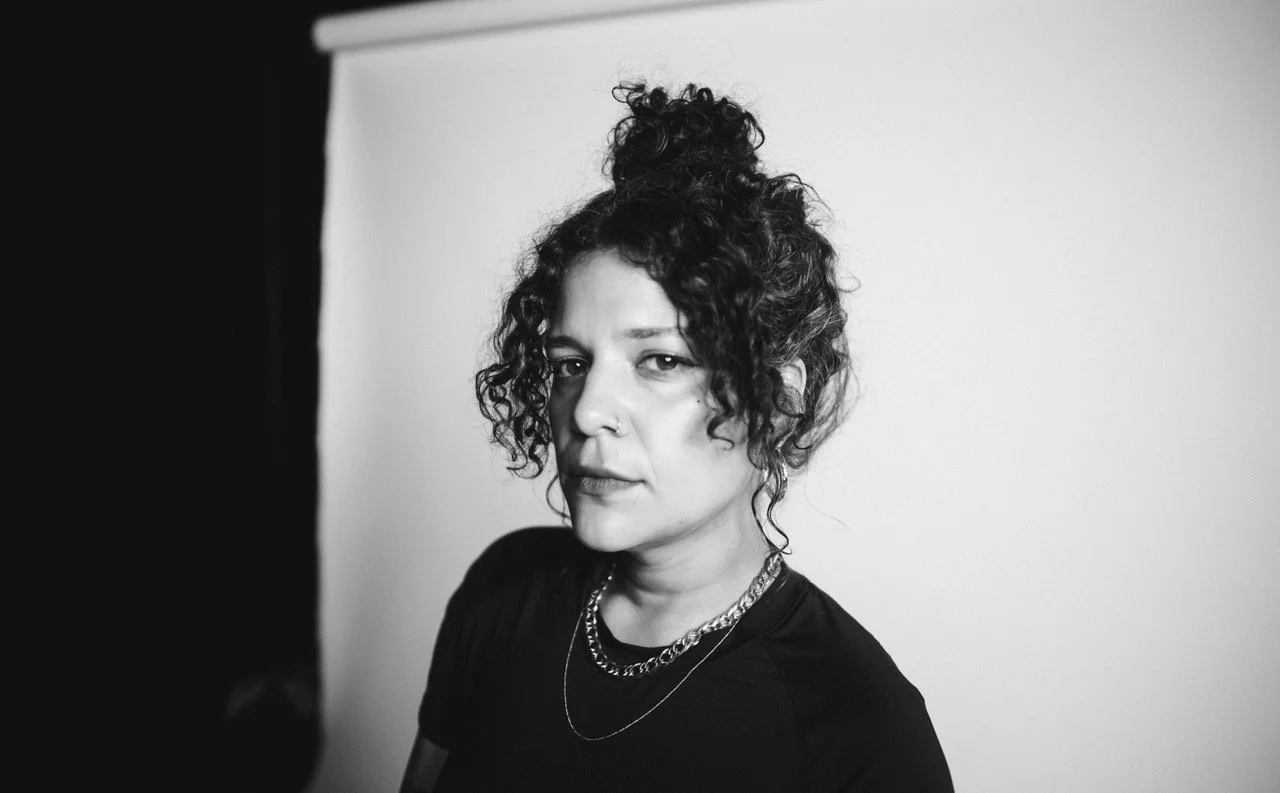
Sofía Córdova
Future Residues | March 12
Born in 1985 in Carolina, Puerto Rico and based between Caguas, Puerto Rico + Oakland, California, Sofía Córdova makes work that considers science fiction as alternative history, colonial contamination, climate change and migration, and most recently, revolution—historical and imagined. Córdova lately models those things into tragedy, comedy, disorientation. Her work has been exhibited at The Whitney Museum of American Art, Tufts University Galleries, and the Museo de Arte Contemporaneo among others. She is a recent recipient of Creative Capital and Trellis Fund Awards.
She works in performance, video, sound, music, installation, photography, and sometimes taxidermy. She is also one half of the music duo and experimental sound outfit XUXA SANTAMARIA.
-
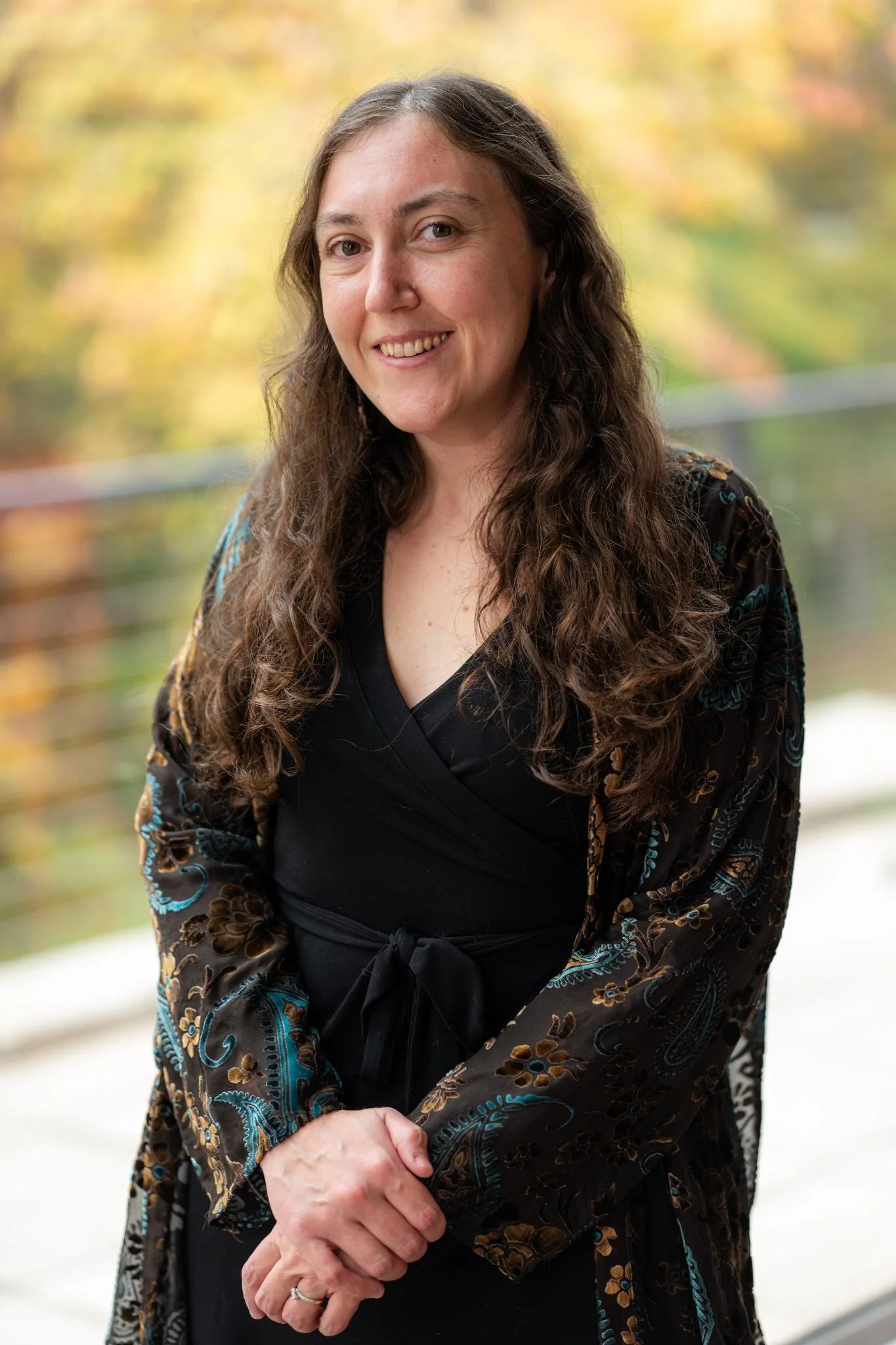
Nese Devenot
Commodified Journeys | April 1
Neşe Devenot, PhD (they/them) is a Senior Lecturer in the University Writing Program at Johns Hopkins University, where they conduct interdisciplinary research across the fields of medical humanities, psychedelic studies, bioethics, harm reduction, poetics, and comparative literature. They are a board member at Psymposia, a psychedelic harm reduction nonprofit, and an affiliated researcher with the Project on Psychedelics Law and Regulation (POPLAR) at the Petrie-Flom Center for Health Law Policy, Biotechnology, and Bioethics at Harvard Law School. A psychedelic humanities researcher since 2010, Devenot helped establish Psychedelic Studies as an interdisciplinary field by articulating the necessity of humanities frameworks for understanding psychedelic experiences. Since then, they have developed critiques of pseudoscientific justifications for therapeutic touch in psychedelic-assisted therapy and of corporate capture in the psychedelic industry. They were first author and lead architect of a book-length investigative report, “The Psychedelic Syndicate: How Silicon Valley Used Veterans to Hijack the Psychedelic Industry.” Their ongoing book project, Chemical Poetics: The Literary History of Psychedelic Science, examines the function of narrative and literary devices in structuring psychedelic experiences. Each chapter explores a different literary strategy for altering the “conditions of possibility” for reality in the present — the poetic techniques by which psychedelic authors have sought to change minds and worlds.
-
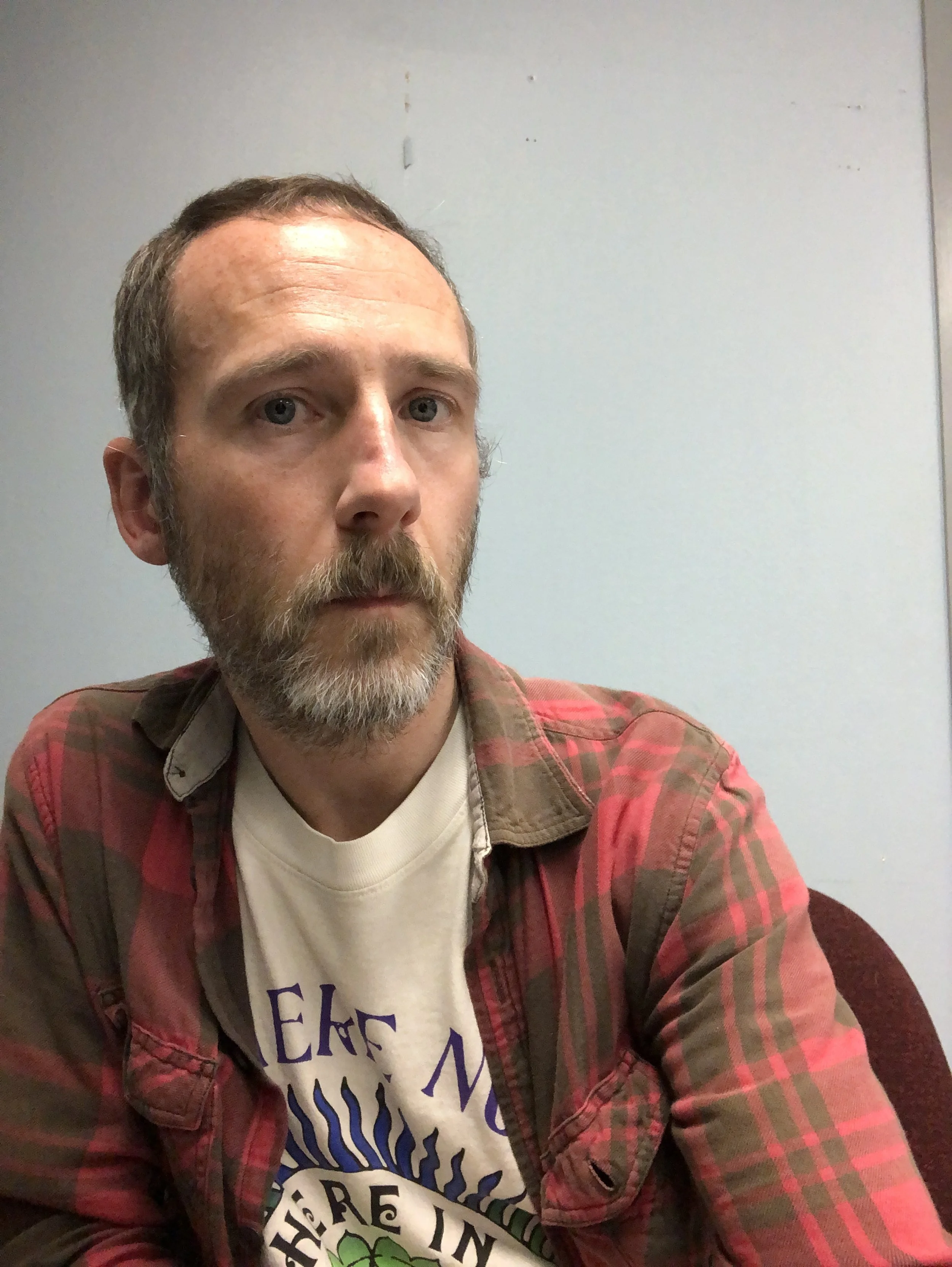
Paul Ebenkamp
Series Logo & Poster Design
Paul Ebenkamp is author of The Louder the Room the Darker the Screen (Timeless, Infinite Light), Late Hiss (Desert Pavilion) and Regular Acid Consciousness (Spiral Editions).With Andrew Kenower he curates and hosts the Woolsey Heights reading series.
-
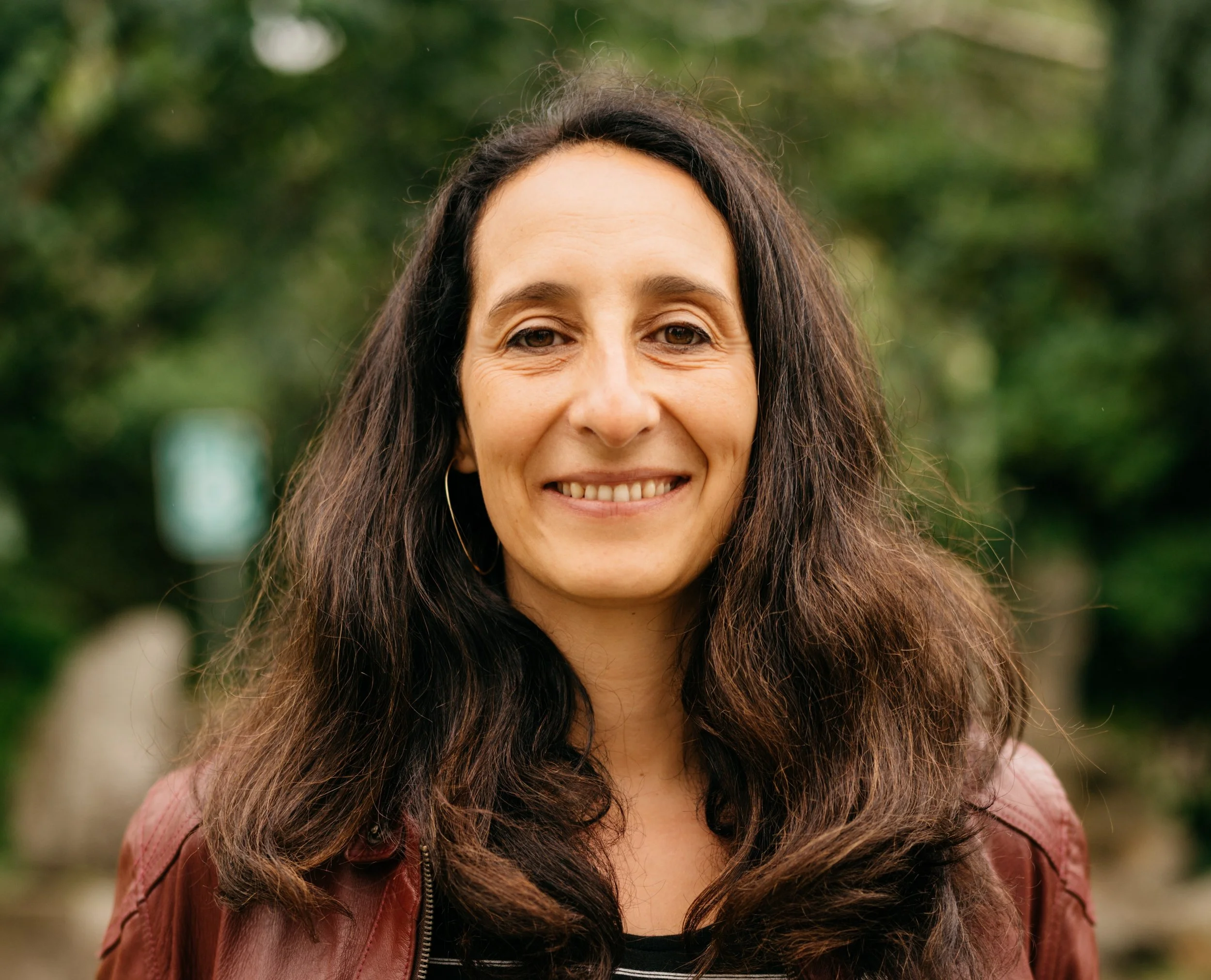
Patricia Kubala
Commodified Journeys | April 1
Patricia Kubala is a PhD candidate in socio-cultural anthropology at UC Berkeley. Her dissertation project, Psychedelic Reckonings, is a study of how concepts of ancestry, inheritance, and intergenerational transmission animate contemporary practices of working with psychedelics and plant medicines in the United States. Her research considers not only the promise but also the dilemmas involved in the project of laboring for a psychedelic “otherwise” — for an ethics, therapeutics, and metaphysics adequate to reckoning with planetary ecological crisis and unresolved legacies of epistemic and material colonial and settler-colonial violence.
-
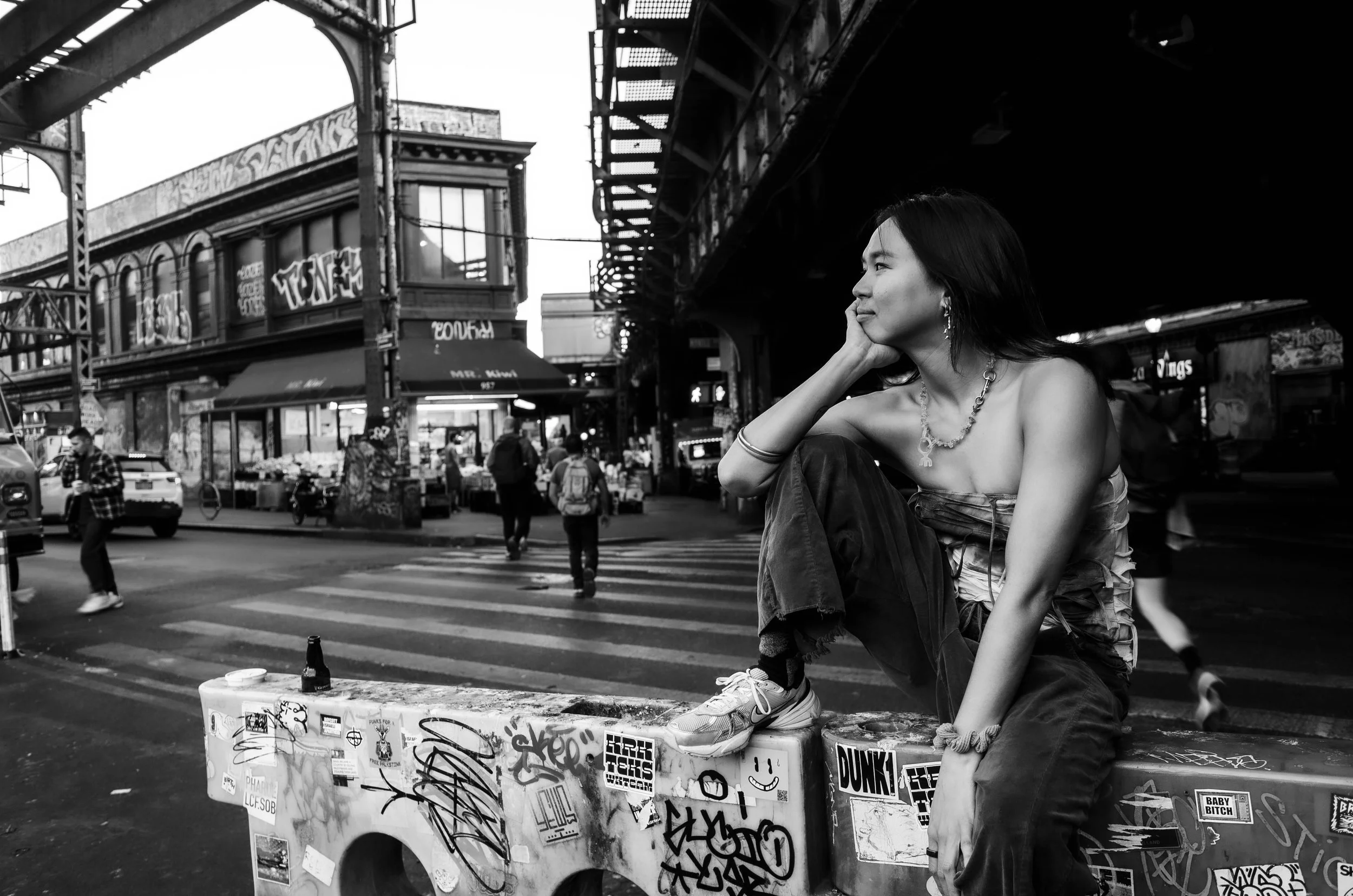
Michelle Lhooq
States of Euphoria | January 15
Michelle Lhooq is a writer who, by some combination of tenacity and youthful ingenuity, decided to make a career out of being really, really good at partying. She was born in Singapore, an anti-hedonic country that William Gibson famously called “Disneyland with the death penalty,” and growing up under its extreme restrictions on assorted freedoms made her obsessed with drugs and nightlife like a bad kink. Lhooq's work, mainly published in her newsletter Rave New World, is currently centered on the shifting paradigms of counterculture, underground raves, and psychedelics; recent articles have covered neo-wooks in Oregon's weed country, Taipei's techno scene, and ayahuasca gummies.
She is the author of WEED: Everything You Want to Know But Are Always Too Stoned to Ask(Penguin Random House), and her writing can also be found in The Guardian, GQ, The Los Angeles Times, and Bloomberg. Once in a blue moon, she throws psychedelic parties in Los Angeles, where she is based.
-
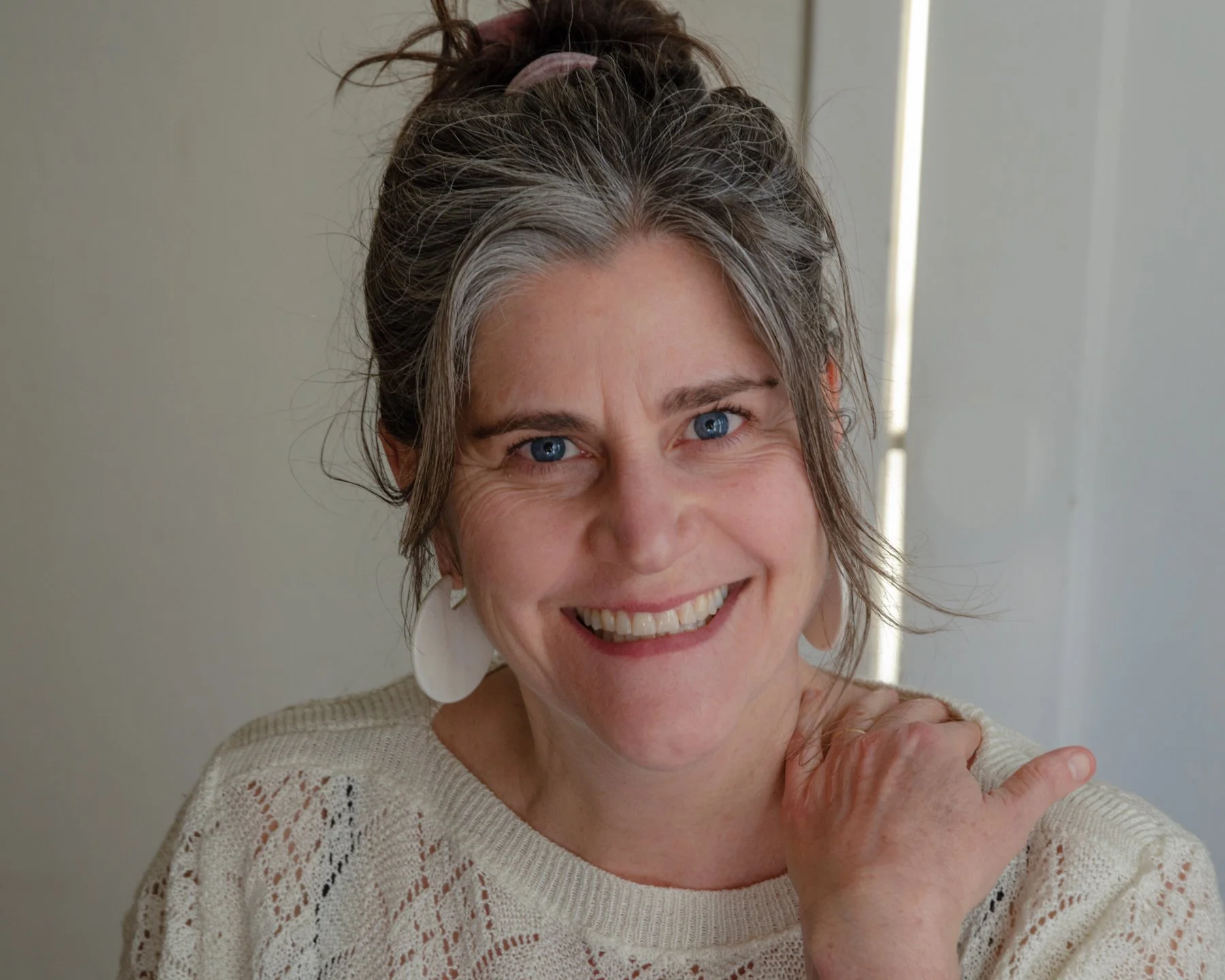
Sarah Miller
Commodified Journeys | April 1
Sarah Miller writes for many publications including the newyorker.com, parisreview.com and n+1, where Pirates of the Ayahuasca appeared recently. Her Substack is The Real Sarah Miller. She lives in Nevada City.
-
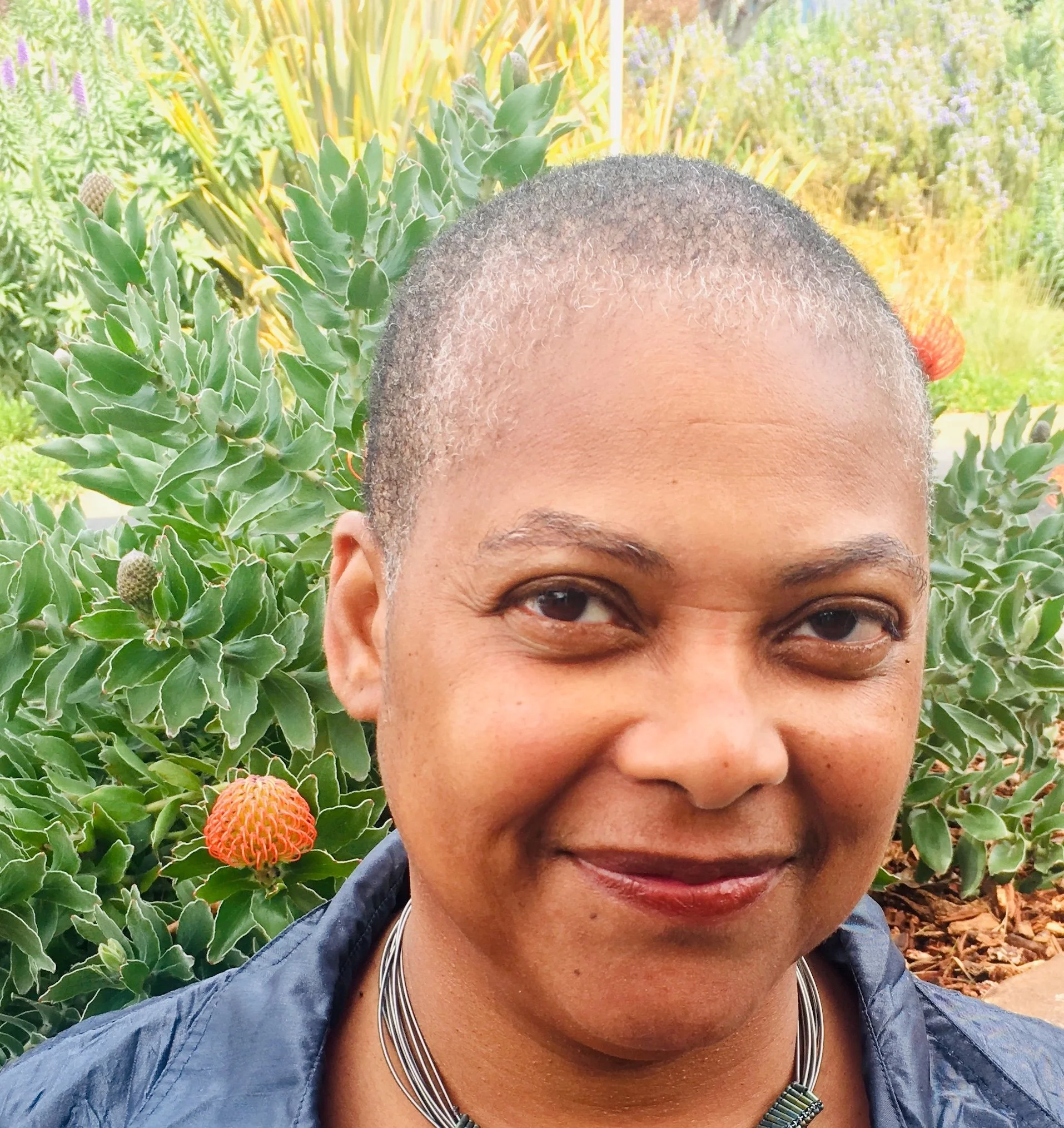
Patricia Powell
Healing Terroirs | April 24
Patricia Powell is a writer, healer, facilitator, a student of shamanism and plant meditation for over a decade, and a professor of English at Mills College at Northeastern University. Her novels include The Pagoda and The Fullness of Everything.
-
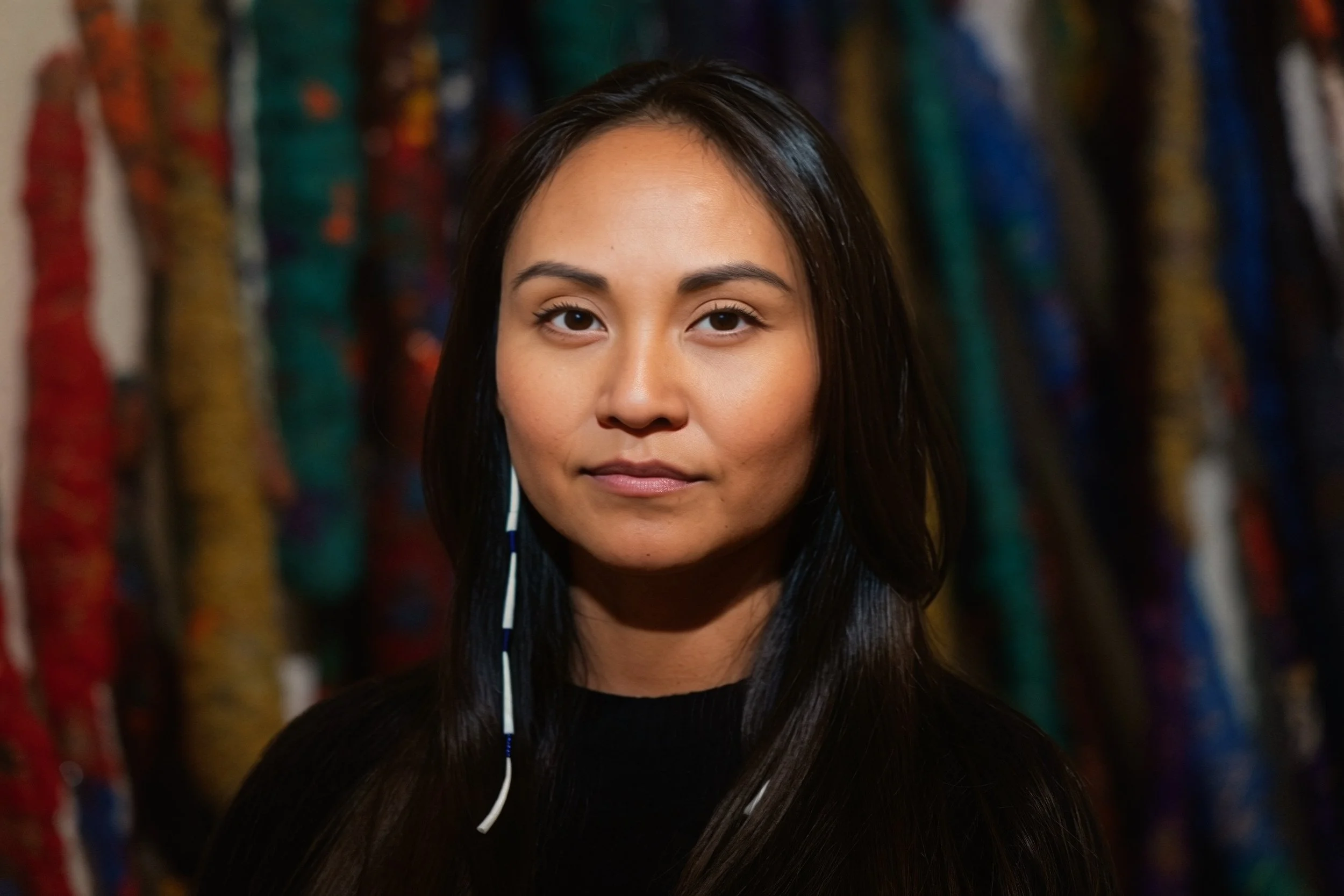
Marlena Robbins
Healing Terroirs | April 24
Marlena Robbins (Diné) is a Doctor of Public Health candidate at the University of California, Berkeley School of Public Health and Program Coordinator at the Berkeley Center for the Science of Psychedelics. Her research examines multigenerational perspectives on psilocybin use among urban Native communities, focusing on how cultural context, Indigenous knowledge systems, and ceremonial frameworks shape the conditions under which healing and consciousness-expansion occur. Marlena holds a Master of Science in American Indian Studies with a concentration in Indigenous Rights and Social Justice from Arizona State University. Her work sits at the intersection of Indigenous knowledge, psychedelic public health, and community accountability. She has contributed to federal policy through advisory roles with SAMHSA and the Colorado Department of Regulatory Agencies, and has published in the Journal of Psychopharmacology and Social Science & Medicine, among other outlets. She is the founder and lead architect of the Collective Continuance: Indigenous Knowledge Fellowship, a governance and learning initiative that centers Indigenous sovereignty and ethical accountability in psychedelic research. Her scholarship has been featured in The Guardian and DoubleBlind Magazine, and she has spoken at USC Norris Comprehensive Cancer Center, UCSF, UCLA, SXSW, Esalen Institute, MAPS Psychedelic Science Conference, and numerous academic and public forums.
-
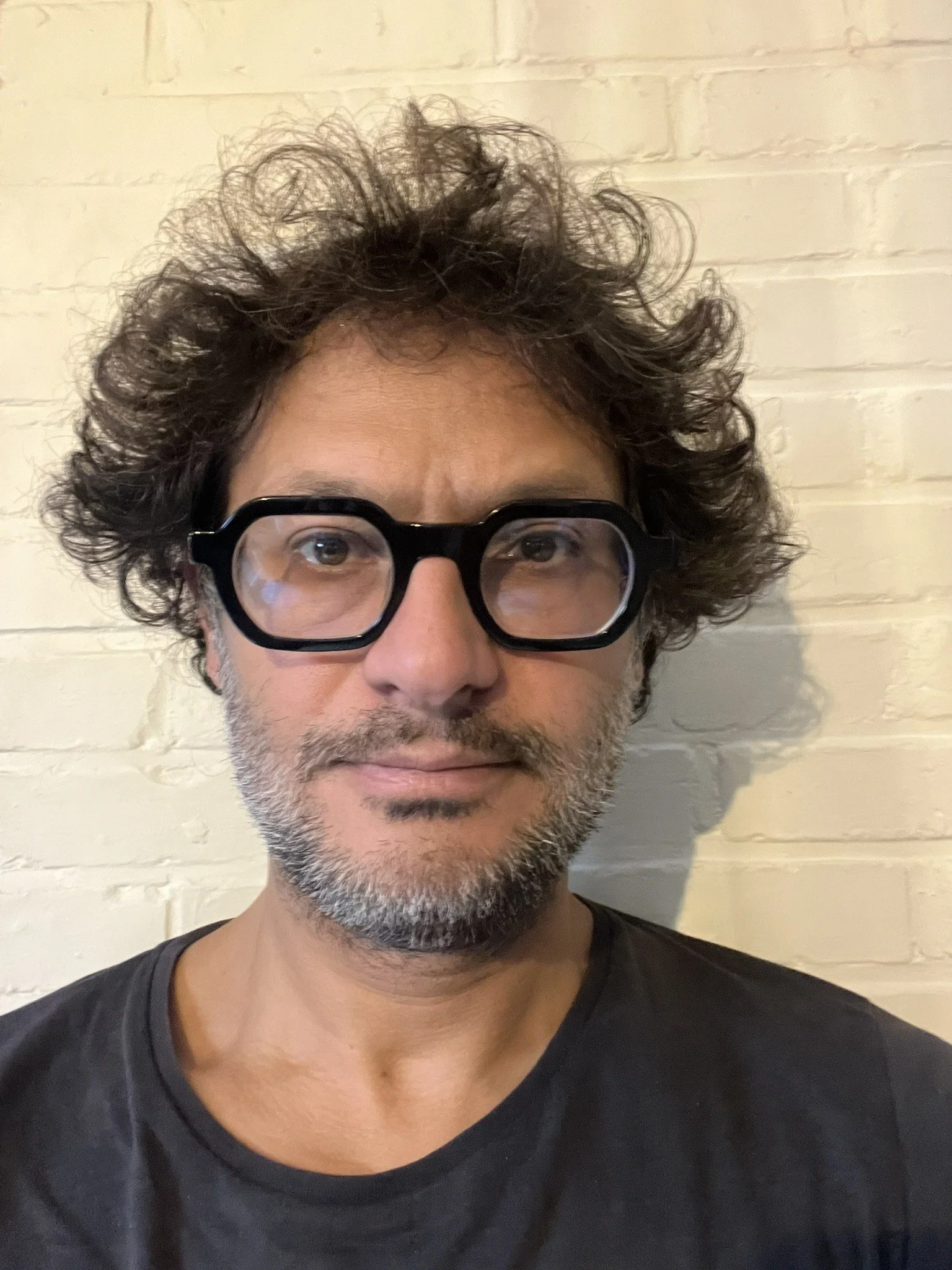
Arun Saldanha
States of Euphoria | January 15
Arun Saldanha is professor in the Department of Geography, Environment, and Society at the University of Minnesota. He is author of Psychedelic White: Goa Trance and the Viscosity of Race and published further books and articles on theory and music. He is finishing an edited collection called Prince from Minneapolis based on a symposium. He dances to Detroit techno.
-
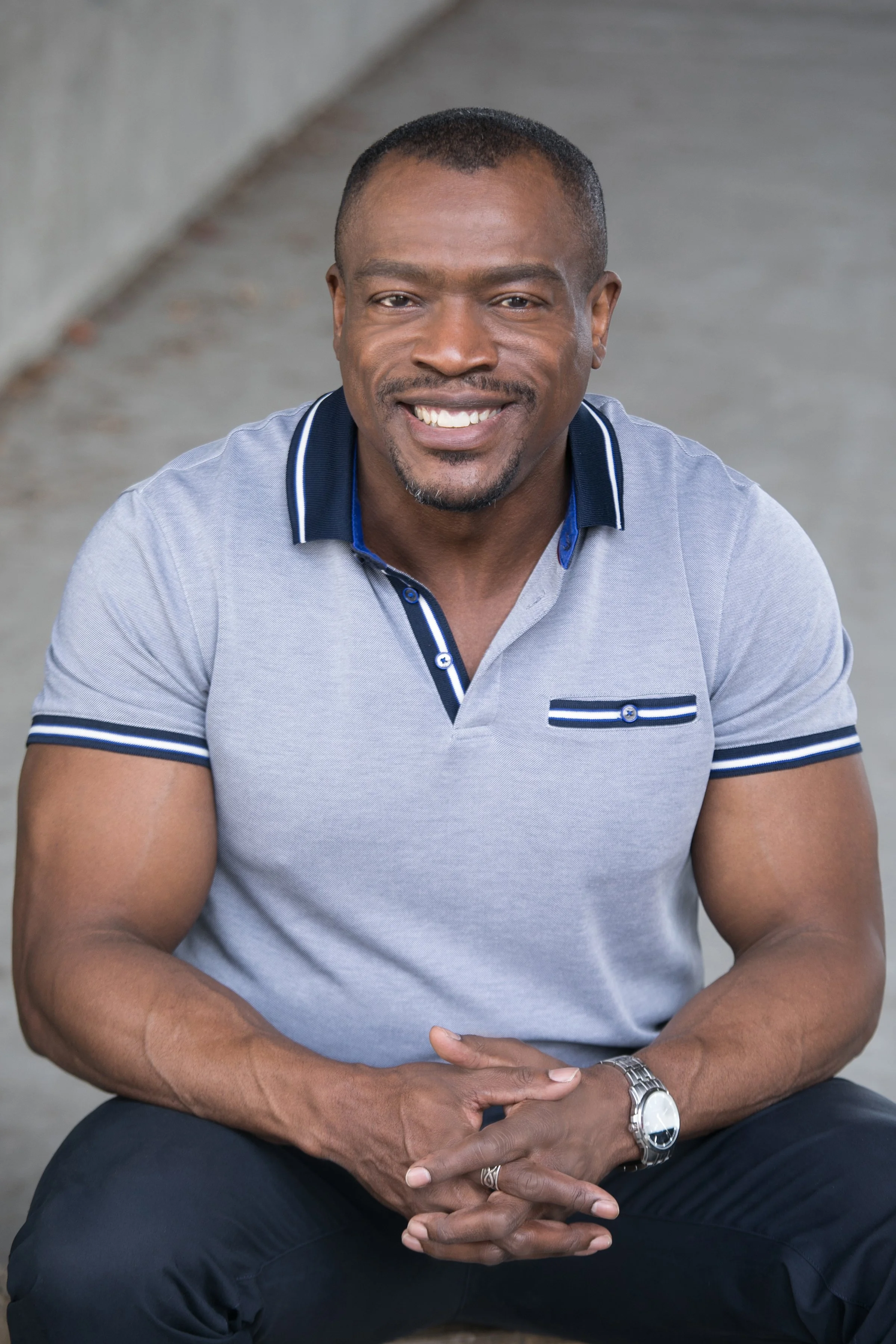
Darieck Scott
Future Residues | March 12
Darieck Scott is a professor of African American Studies at the University of California, Berkeley. Scott is the author of Keeping It Unreal: Black Queer Fantasy and Superhero Comics (NYU Press, 2022), which won the 2023 Lambda Literary Award for LGBTQ+ Studies. His previous book, Extravagant Abjection: Blackness, Power, and Sexuality in the African American Literary Imagination (NYU Press 2010), was awarded the 2011 Alan Bray Memorial Prize for Queer Studies of the Modern Language Association. Scott is the author of the novels The Dream-Slaves (2024), Hex (2007) and Traitor to the Race (1995), and the editor of Best Black Gay Erotica (2004). He has published essays in Callaloo, GLQ, The Americas Review, and American Literary History, and is co-editor with Ramzi Fawaz of the American Literature special issue, “Queer About Comics,” winner of the 2018 Best Special Issue from the Council of Editors of Learned Journals.
-
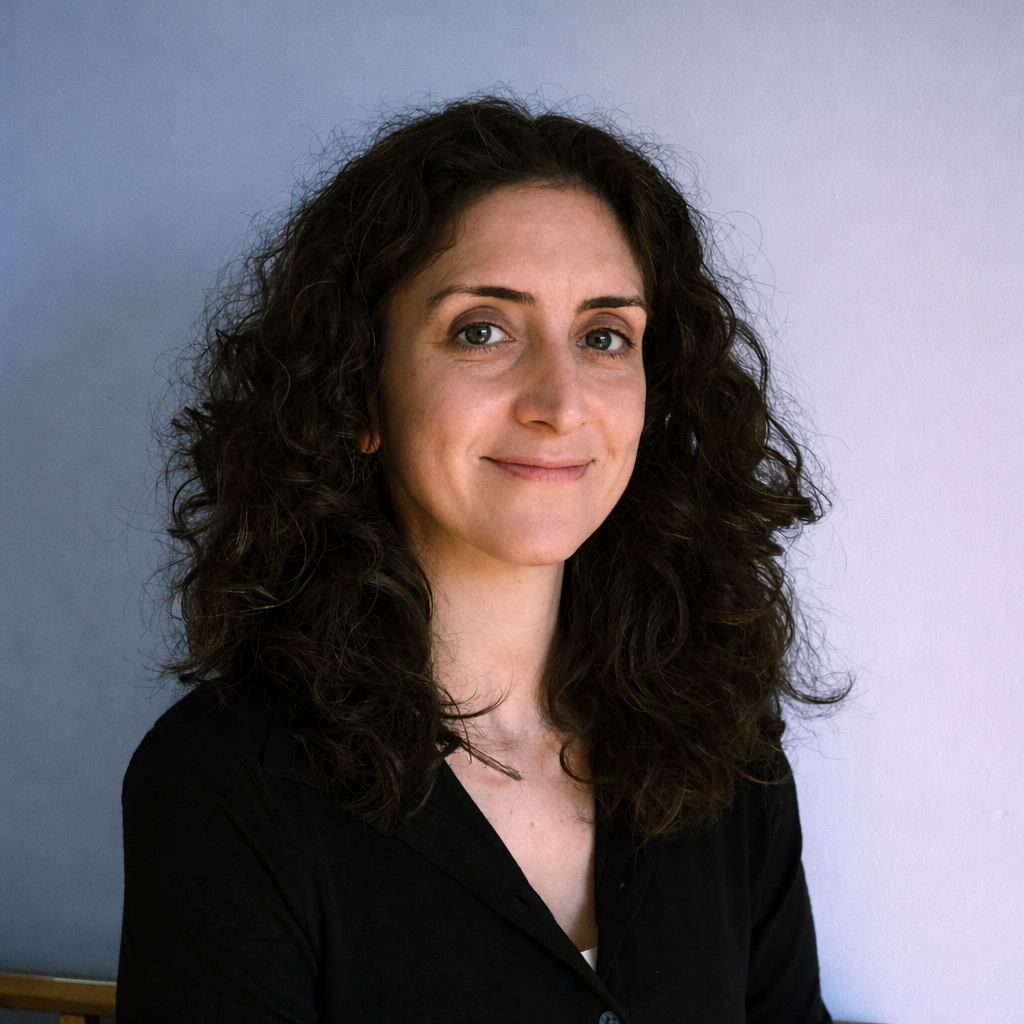
Joanna Steinhardt
Healing Terroirs / April 24
Joanna Steinhardt is a writer and editor who brings an anthropological lens to science & technology, religion & spirituality, and multispecies relationships. She is a senior editor at Ayin Press and a freelance book editor.
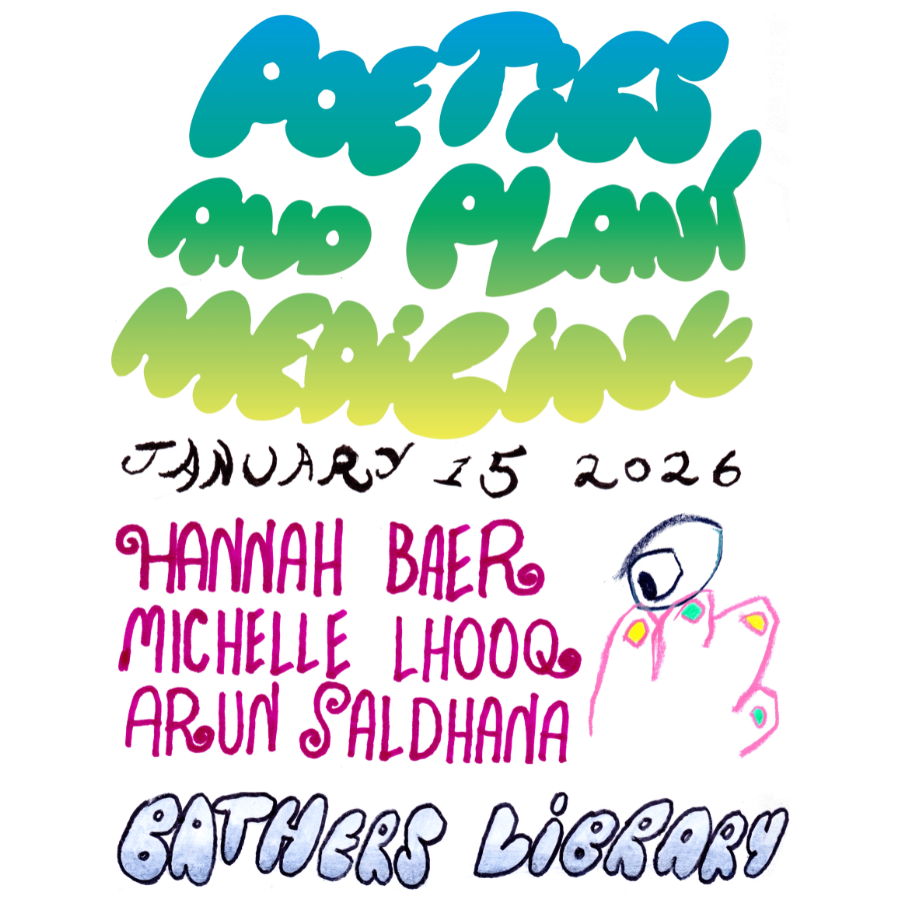
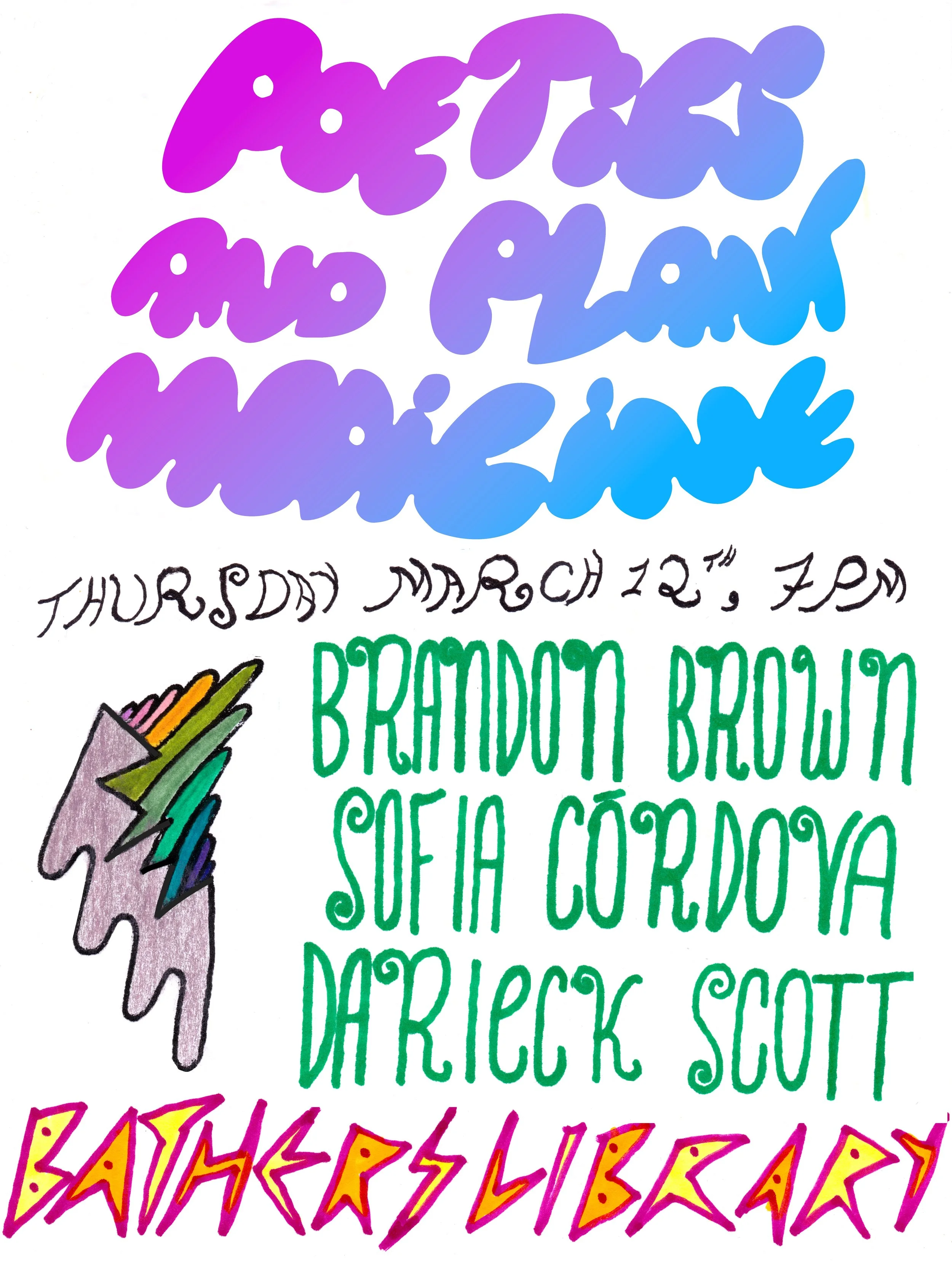
Posters and logo design by Paul Ebenkamp.
This project was supported financially by the UC Berkeley Center for the Science of Psychedelics (BCSP) and its Psychedelics in Society and Culture initiative, funded by Flourish Trust. The Psychedelics in Society and Culture Fellowship Program is a collaborative initiative between the UC Berkeley Center for the Science of Psychedelics (BCSP) and the Center for Interdisciplinary Critical Inquiry (CICI).